
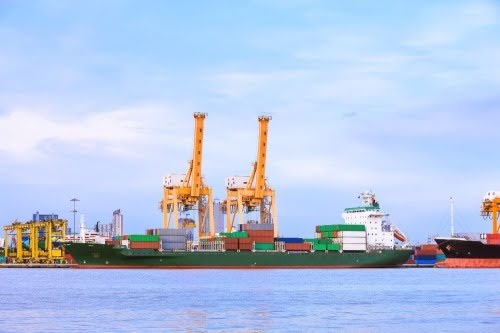
Europe is grappling with a new “China shock,” which threatens local industries with significant challenges as Chinese imports increasingly dominate the market. Trade analysts warn that local factories could face closures, resulting in job losses and a form of industrial colonization by Beijing. The situation mirrors the crisis faced by the U.S. 25 years ago when China’s entry into the World Trade Organization led to a surge in imports, displacing domestic industries and resulting in substantial job losses. Jens Eskelund, president of the European Chamber of Commerce in Beijing, highlights that the core issue lies not in finished goods like electric vehicles, but in the vast volume of components Europe imports from China, deepening the continent’s reliance on Chinese materials.
As these components become more ingrained in the EU’s industrial processes, the bloc faces critical decisions. A report indicates that the EU is contemplating a strategy to compel European companies to source vital components from at least three different suppliers. European commissioners have scheduled a meeting for May 29 to discuss urgent measures. Oliver Richtberg from VDMA, representing Europe’s machinery and equipment manufacturing sector, praised the EU’s engagement in this matter. He pointed out that state subsidies and exchange rate fluctuations, which have left the yuan significantly undervalued against the euro, are making Chinese products more competitive, creating a challenging environment for European manufacturers.
The repercussions of this dependency are stark. Germany, for instance, lost 22,000 jobs in its machinery industry last year alone. A China trade watch website, in collaboration with a German think tank, highlighted the alarming trend of EU industries becoming increasingly reliant on Chinese imports, with data showing a high percentage of imports in key areas like amino acids and polyhydric alcohols coming from China. This dependency risks rendering EU production uneconomic, leaving the region dependent on Chinese supplies that could eventually displace local production entirely.
Trade figures indicate that China has become Germany’s top trading partner, overtaking the U.S. The trade surplus with Germany has doubled, with significant job losses in sectors such as car manufacturing. The European Union is working on legislative proposals like the Industrial Accelerator Act to safeguard its industries, but these measures will not be implemented until 2027 or later, putting pressure on Brussels to find immediate solutions. Andrew Small from the European Council on Foreign Relations emphasizes that China’s role in European industry remains under-discussed, and despite efforts to impose tariffs, these measures have not adequately addressed the trade imbalance.
With China perceived as holding the leverage, European policymakers face a complex challenge. While the EU deliberates on potential countermeasures, the geopolitical dynamics suggest that China could easily disrupt these processes, keeping its export flow to Europe unimpeded. As Europe navigates this intricate situation, the urgent need for effective strategies to protect local industries remains a pressing concern.