
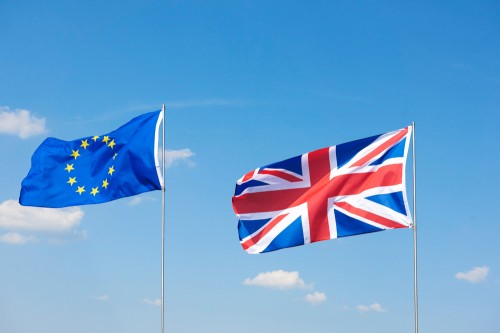
The UK government is considering the establishment of a single market for goods with the European Union as a means to enhance post-Brexit trade relations and stimulate economic growth. Recent discussions in Brussels involved senior UK officials proposing this idea to improve economic cooperation with the EU. However, the response from European officials was tepid, as they appeared more inclined towards alternatives such as a customs union or the UK’s participation in the European Economic Area (EEA).
Despite these challenges, the UK remains firm in its stance against rejoining the EU single market, customs union, or accepting the free movement of people, making these suggestions politically challenging. Nonetheless, preparations are underway for a UK-EU summit anticipated in July, where the focus will likely be on reaching several practical agreements. Topics on the agenda include a veterinary and food standards deal to facilitate agricultural trade, linking carbon emissions trading systems, and a youth mobility program for educational and work opportunities.
The UK is also seeking to foster closer cooperation in various sectors, including defense, steel, electric vehicles, and technology. British officials are optimistic that enhanced trade arrangements could bolster long-term economic growth and promote industrial collaboration across Europe. However, EU representatives remain wary of granting the UK special access to the single market, expressing concerns that such an arrangement could fuel Eurosceptic movements in other European nations.
As negotiations continue in the lead-up to the planned summit, both sides are working to navigate the complex dynamics of post-Brexit relations. While the UK aims to improve trade ties and support economic growth, the EU remains cautious about setting a precedent that might encourage other countries to seek similar agreements.